


Codex & COVID-19
A cluster of pneumonia of unknown cause detected in Wuhan, China was first reported to the WHO Country Office in China on 31 December 2019. The ensuing outbreak was soon identified as being caused by a novel coronavirus.
The first case outside China was reported on 13 January 2020 and the outbreak was declared a Public Health Emergency of International Concern on 30 January 2020. On 11 February 2020 WHO announced a name for the new coronavirus disease: COVID-19. WHO said on 11 March that they had made the assessment that COVID-19 can be characterized as a pandemic.
The threat to food safety
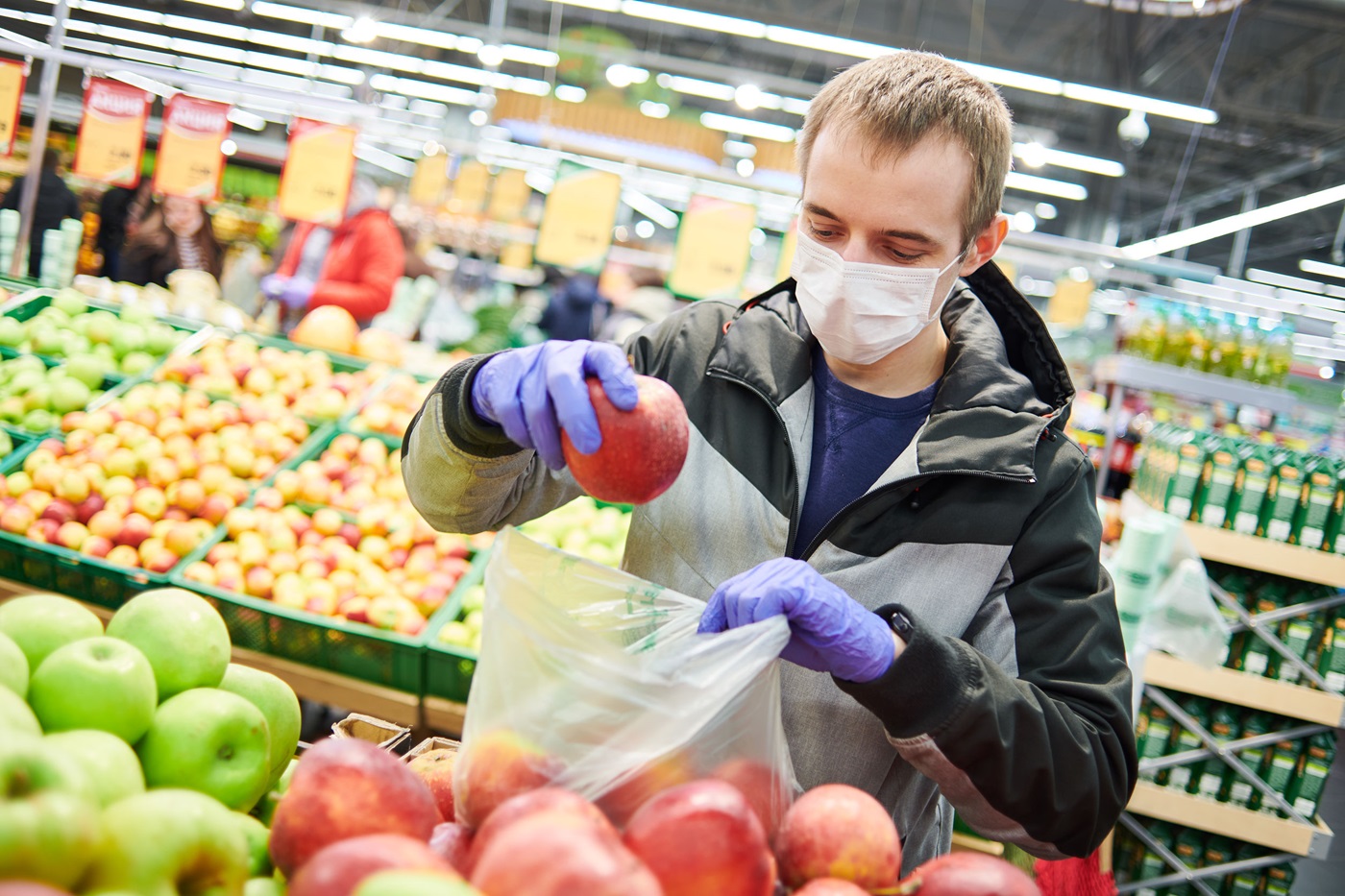
The COVID-19 pandemic and the global response to it are presenting unprecedented challenges to the way we work and the mechanisms by which we ensure food safety, from global standard setting to operational oversight. Access to safe and nutritious food is at the forefront of consumers globally, with many people, irrespective of the state of development of their country, having to spend more time and effort planning and shopping for food. There is a much greater awareness of hygiene and the role it plays in disease transmission, and questions being asked as to whether food could play a role in the transmission of the virus causing COVID-19.
Global trade
Global food supply chains have also come under pressure with fears the complex interactions involving farmers, slaughterhouses, food processing plants, shipping, retailers and others would result in slowdowns due to port closures or disruptions in logistics and/or food supply caused by COVID-19 illness in workers along the long food chain.
Keeping food safe
COVID-19 is a respiratory illness primary transmitted through person-to-person contact and direct contact with respiratory droplets generated when an infected person coughs or sneezes. There is no evidence to date of viruses that cause respiratory illnesses being transmitted via food or food packaging. Coronaviruses cannot multiply in food; they need an animal or human host to multiply. It is highly unlikely that people can contract COVID-19 from food or food packaging.
The role of Codex in COVID-19
The Codex Alimentarius Commission has developed several international best practices to ensure food hygiene in general as well as when, handling meats and other foods, and to control viruses in foods. Countries are encouraged to implement these best practices.
International risk-focused and science-based Codex texts set the benchmark for food safety in global food trade. They provide a framework for the broad management principles of food safety in a transparent rules-based trading environment and reduce risks for those operating in the increasingly complex international trading system while ensuring the protection of consumer health.
Key Facts
Currently, there is no evidence that SARS-CoV-2, that causes COVID-19, can be transmitted by food
Coronavirus cannot grow on food. A virus requires a living host in order to multiply
The best way to avoid COVID-19 is through good hygiene habits
Food businesses must reinforce good hygienic practices
To ensure and maintain access to safe food, authorities must reinforce the implementation of existing international standards