


Methods of analysis and sampling
Most Codex standards are subject to various science-based safety and quality parameters for the purpose not only of protecting consumer health, but also of facilitating international food trade. Compliance with Codex standards must be monitored and measured in an agreed way.
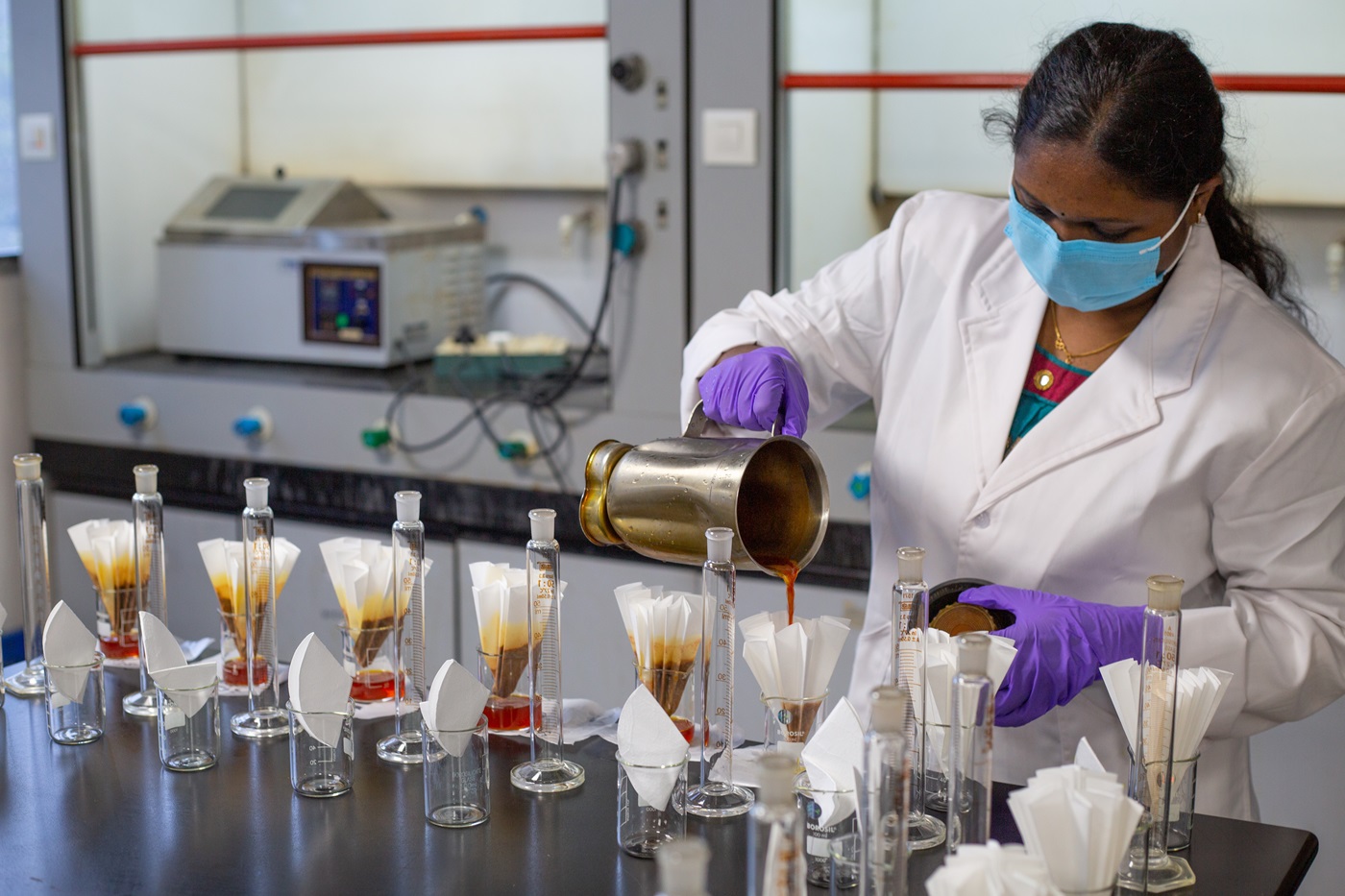
The Codex Alimentarius and methods of analysis and sampling
The core CCMAS text is the Recommended methods of analysis and sampling (CXS 234-1999), which is kept up to date thanks to constant expert review, and discussion at the annual CCMAS meeting. An important factor in this work is that other standard development organizations participate as Observers in CCMAS work, ensuring the development of the very best practices, and also that the Committee abides by the Codex Alimentarius Commission’s statutory purpose to promote coordination of all food standards work. When it comes to the international food trade, it is this collaborative approach on methods that underpins a harmonized system.
CCMAS is also responsible for developing guidance on sampling plans to support the appropriate verification of compliance with Codex standards. CCMAS develops principles and tools to assist Members in the design, selection, and application of sampling plans that are fit for purpose, taking into account the characteristics of the commodity, the heterogeneity of the lot, and the objectives of control activities. CCMAS contributes to improving the consistency, transparency, and scientific basis of sampling approaches used in international food control systems.