


Food labelling
Accurate, reliable, and consistent food labelling is essential for consumers to be able to make informed choices about the food they buy.
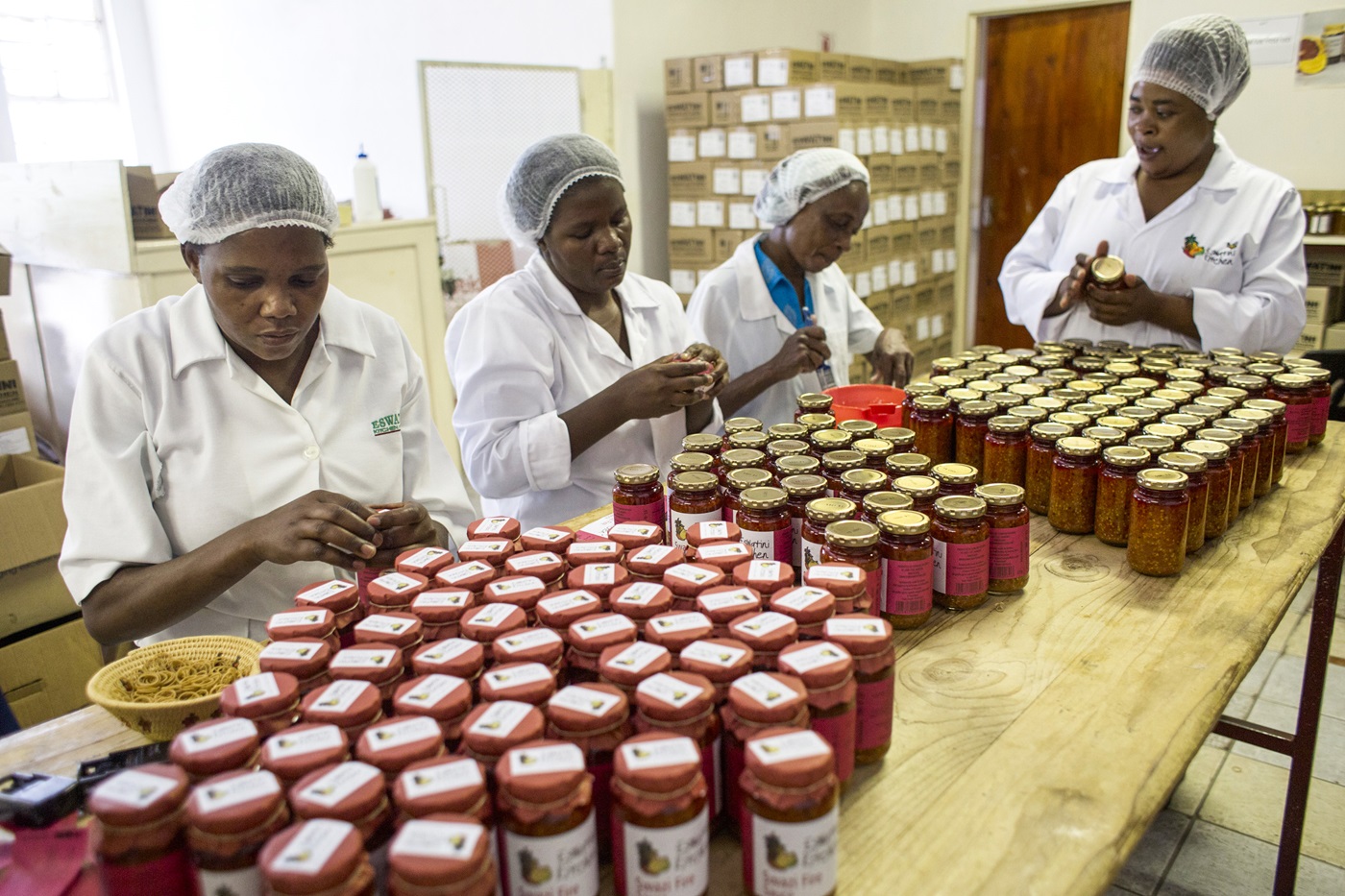
The Codex Alimentarius and food labelling
Food labelling work undertaken by the Codex Alimentarius Commission (CAC) is elaborated by the Codex Committee on Food Labelling (CCFL). CCFL has developed several texts to guide governments, food producers and consumers on appropriate labelling. In addition, texts developed in Codex commodity committees are referred to CCFL for endorsement of their labelling provisions before being fully adopted by CAC.
CCFL addresses a range of issues from key information about products, to allergens, claims, country-of-origin, date marking, and storage instructions, among others.
While nutrition-related food labelling and claims fall under the remit of CCFL, this work is also closely connected with that of the Codex Committee on Nutrition and Foods for Special Dietary Uses (CCNFSDU). Other closely related topics to nutrition and claims, include the production, processing, labelling and marketing of organically produced foods; use of the term “halal”.
Technological advancements have also seen Codex develop guidelines on labelling to guide: the use of technology to provide food information to consumers information and specifically on pre-packaged foods to be offered via e-commerce. Guidelines on the use of precautionary allergen labelling were added to the General standard for the labelling of pre-packaged foods (CXS 1-1985) to address the overuse of "may contain" labelling.
Key facts
Global antimicrobial use in livestock could increase by nearly 30 percent by 2040 under a business-as-usual scenario. However, improved animal health management, biosecurity, and productivity could reduce antimicrobial use by up to 57 percent.
27 different antimicrobial classes are used in animals.
Antibiotic resistance increased in over 40 percent of monitored pathogen-antibiotic combinations between 2018 and 2023, with annual increases ranging from 5 to 15 percent. Around 500 000 human deaths each year are related to AMR.
Codex in Spain
A company in Spain has developed a label reading app to help food allergic consumers make safe choices. Codex texts were used to ensure the app provides safe information.