


Inspection & certification systems
A harmonized, rules-based trade in food depends on agreed safety and quality standards. It relies on agreed methods for ensuring foods meet those standards. And it also relies on the assurance countries have that they can safely and reliably import traded foods with the least possible friction.
This is where import and export inspection and certification systems play a vital role. When such systems are in place, countries can trust that food moving across borders meets the same agreed standards, risks are effectively managed, and compliance is transparently verified—reducing duplication, preventing unnecessary trade barriers, and protecting public health while facilitating smooth, predictable trade flows.
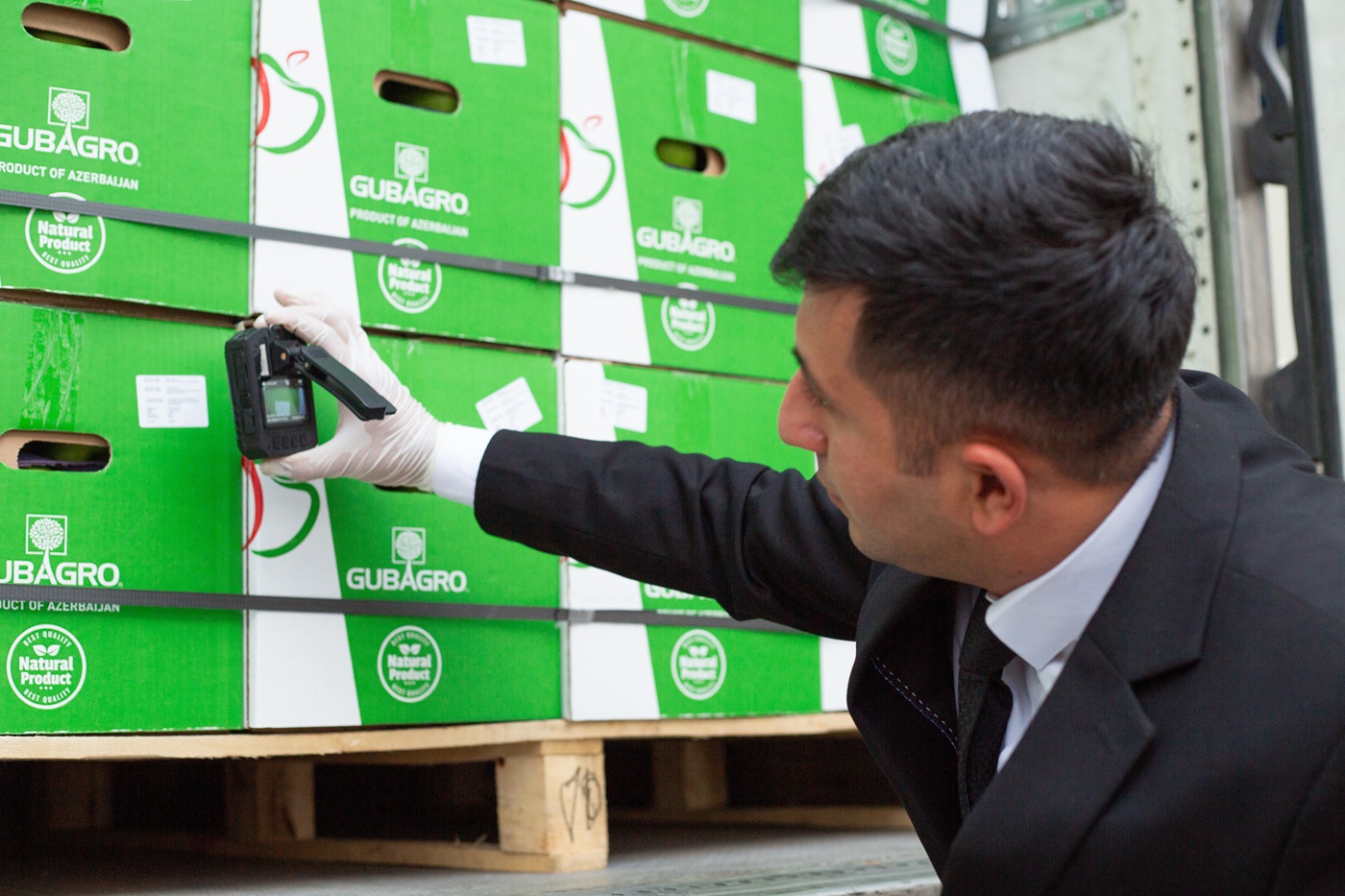
The Codex Alimentarius and inspection and certification systems
The Codex Alimentarius includes several sets of guidelines developed in the Codex Committee on Food Import and Export Inspection and Certification Systems (CCFICS), and these are vital in safeguarding consumer health and supporting fair practices in the global food trade.
Increasingly, CCFICS undertakes a horizon scan of emerging issues and prioritizes new work on how food can be guaranteed safe and of good quality within systems using new technologies,and thus enabling its guidance document to reflect current best practices, for example, the use of remote audit and inspection, digital technologies and artificial intelligence. It is also important for CCFICS to ensure that no country is left behind as others may embrace advanced technologies. Equivalence can be a factor in smoothing out disparate inspection and certification capacities, and this is also the subject of CCFICS work.
Key facts
Food fraud is the intentional adulteration of food for financial gain. This can include deliberate substitution, dilution, counterfeiting, or misrepresentation of food, ingredients or packaging; or even false or misleading statements made about a product.
One consequence of the COVID-19 pandemic was that the food trade needed new, harmonized tools to process imports and exports remotely. Codex adopted Principles and guidelines on the use of remote audit and inspection in regulatory frameworks within just a couple of years of the start of the pandemic outbreak.
What else?
.tmb-tmbmd-rec.jpeg?Culture=en&sfvrsn=18e33d46_2)

