Nutrition
Good nutrition is vital to our wellbeing.
For the vulnerable, especially infants and young children, the safety and quality of the food they eat is fundamental to their futures. The nutrients and related substances that go into foods for special dietary uses, including for babies, children and other vulnerable people, must be assessed as safe for that demographic.
As noted in the Codex Alimentarius Commission Procedural Manual, “unlike many constituents of food that are the subject of traditional food safety risk analysis (such as food additives, chemical (pesticide and veterinary drug) residues, microbiological pathogens, contaminants, and allergens) nutrients and related substances are biologically essential (in the case of essential nutrients) or in other ways potentially favourable to health.” Interestingly, then, in the case of nutrients, assessments are made as to the impacts of inadequate as well as excessive intake.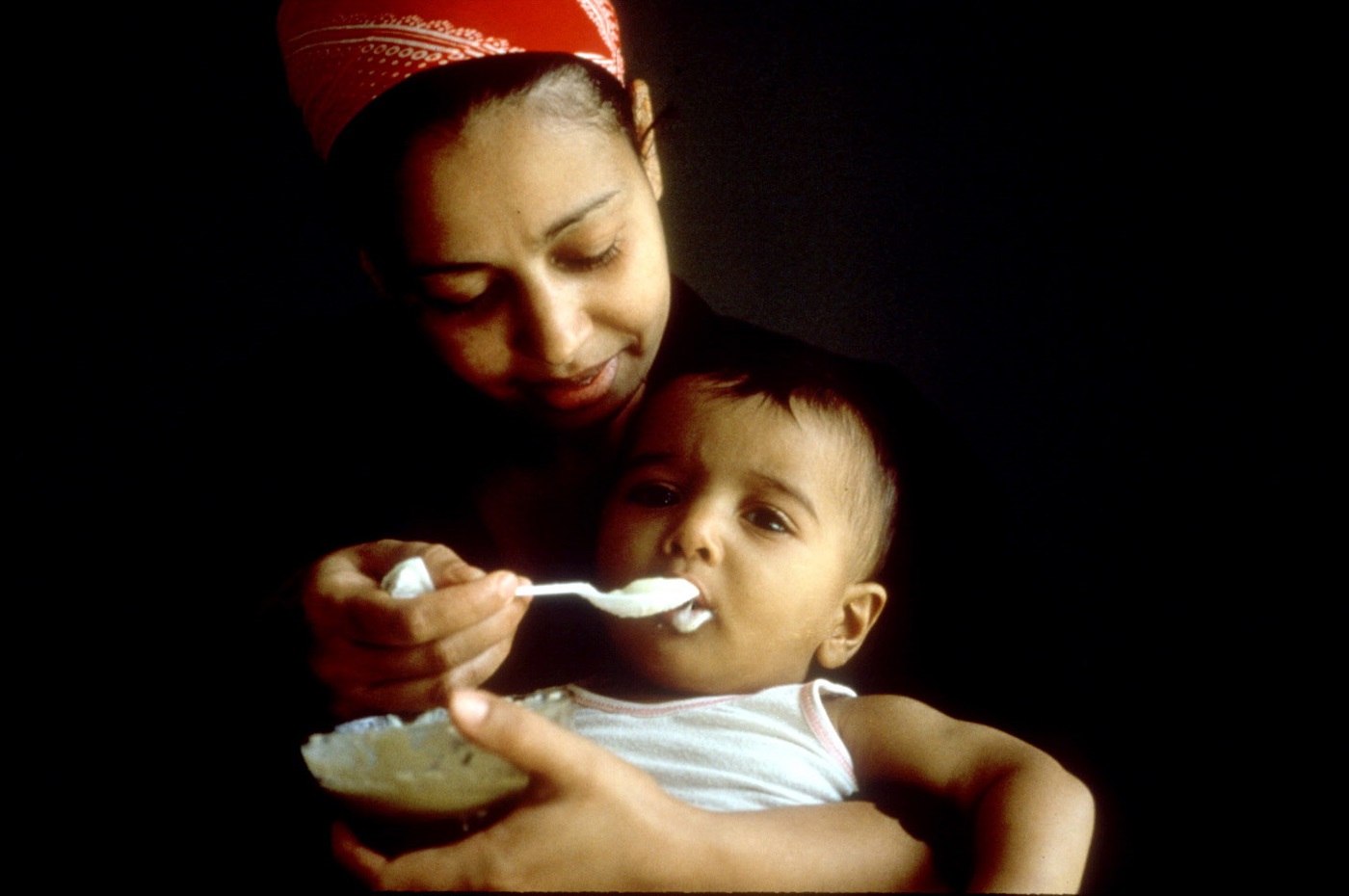
The Codex Alimentarius and nutrition
The Codex Alimentarius Commission (CAC) has adopted an array of texts associated with ensuring the safety of nutrients in foods and the safety and adequacy of foods that are part of special diets. These texts are elaborated primarily in the Codex Committee on Nutrition and Foods for Special Dietary Uses (CCNFSDU).
CCNFSDU also addresses a wide range of technical and regulatory issues for foods that can contribute to the prevention of nutritional deficiencies and diet-related non-communicable diseases.
This work also involves ensuring that any health or nutrition claims carried on food labelling, such as "low fat" are accurate and science based.Key facts
Taken from The State of Food Security and Nutrition in the World 2026
Dietary diversity – one of the four core principles of healthy diets – remains inadequate globally for both children and women. Only 30.8 percent of children aged 6 to 23 months, and 62.7 percent of women aged 15 to 49 years, consume a minimally diverse diet.
Between 608 and 696 million people in the world, corresponding to 7.4 and 8.5 percent of the global population, respectively, faced hunger in 2025.
New estimates of the prevalence of obesity in adults in the world show a steady increase from 12.1 percent in 2012 to 16.2 percent in 2024, contrary to the target of halting the rise in obesity by 2025.
Nutrition and food systems
Malnutrition affects all countries and one in three people. 800 million people are under nourished and 2 billion are affected by micro nutrient deficiencies. Boitshepo Giyose, Senior Nutrition Officer of the FAO Nutrition and Food Systems Division, explains the importance of nutrition and how it should be main streamed across all sectorial policies. She describes the FAO policy work, including key policy messages, to achieve this.
Resources
Publications