Veterinary drug residues in foods
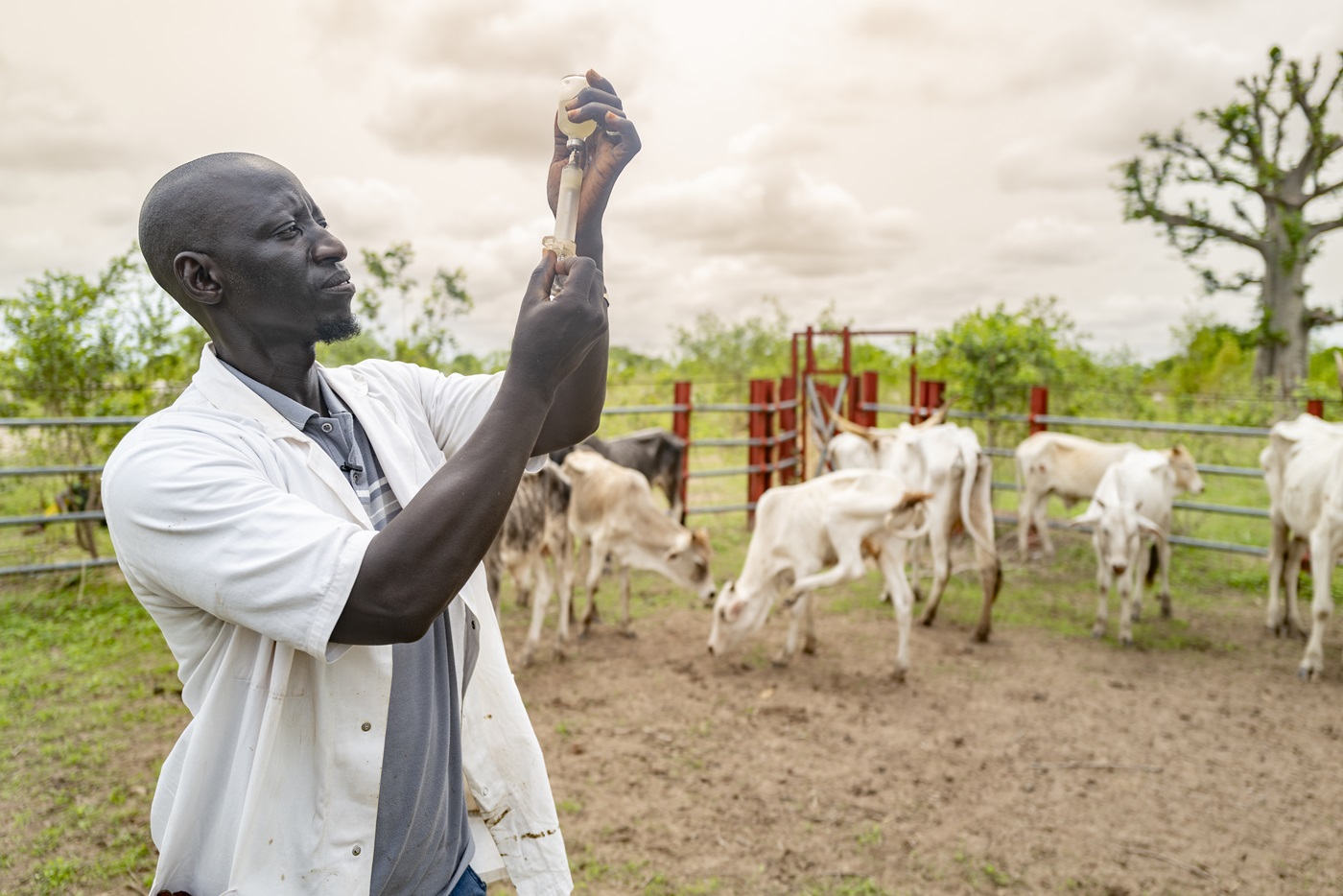
Foods of animal origin are a vital source of proteins for billions of people. Livestock producers rely on veterinary drugs to keep those animals healthy. However, as with any food source, the safety of chemical additions must be known and monitored to protect consumer health.
The Codex Alimentarius and veterinary drug residues
The Codex Committee on Residues of Veterinary Drugs in Foods (CCRVDF) is the primary body responsible for the development of Codex standards and related texts in this subject area. The Committee recommends risk management measures—most notably maximum residue limits (MRLs) for veterinary drugs in foods—for adoption by the Codex Alimentarius Commission (CAC). These measures are developed in accordance with the Risk Analysis Principles applied by CCRVDF, which also govern its interaction with the Joint FAO/WHO Expert Committee on Food Additives (JECFA), the body that provides the scientific advice underpinning the establishment of science‑based, risk‑based MRLs.
Codex MRLs
Codex MRLs for veterinary drugs in foods are established on the basis of safety risk assessments conducted by JECFA. Where there are insufficient data to establish MRLs for additional livestock species, CCRVDF applies procedures to extrapolate MRLs. This enables an adopted MRL to be extended to other species, thereby enhancing the availability of Codex MRLs to support international trade.
Risk management recommendations
CCRVDF may develop risk management recommendations (RMRs) when JECFA cannot identify safe residue levels in foods to recommend an MRL. RMRs provide consistent policy‑level advice based on JECFA evaluations, generally recommending that competent authorities prevent veterinary drug residues and relevant metabolites in foods. As RMRs do not include numerical limits, decisions on enforcement measures rest with competent authorities.
Action levels
In addition to extrapolation procedures, CCRVDF has developed procedures for establishing action levels (ALs) to address very low levels veterinary drug residues in foods resulting from unavoidable and unintended carryover in feed of veterinary drugs in non‑target animals. Unlike MRLs, ALs are not cut‑off limits for rejection, but intervention levels whose exceedance prompts follow‑up actions by competent authorities to investigate and address the issue, thereby facilitating continued safe trade.
Complementary guidance
CCRVDF also develops complementary guidance to support its core work on the establishment of MRLs and other risk management measures, including the Glossary of terms and definitions for residues of veterinary drugs in foods (CXA 5-1993). The Glossary provides clear and harmonized terminology for consistent application across CCRVDF standards and related texts.
Cooperative work with other committees: dual-use compounds
At the inter‑committee level, CCRVDF collaborates with CCPR on matters of common interest, including the establishment of harmonized MRLs for compounds with dual use as veterinary drugs and pesticides. Additional information on this collaborative novel initiative is available on the relevant Codex webpage (see links).
Resources
Key facts
Codex standards on veterinary drug residues help protect consumer health while enabling fair practices international trade in foods of animal origin.
Through measures such as maximum residue limits, targeted risk management recommendations, and action levels, Codex supports proportionate regulatory responses to both intended uses and unintended contamination.
Codex also promotes regulatory coherence by extending standards across animal species where appropriate and by coordinating closely with other committees on compounds used across sectors.