


Science
Codex standards are based on science. As part of the FAO/WHO scientific advice programme, experts and specialists in a wide range of disciplines contribute to every aspect of the Codex Alimentarius to ensure that its texts withstand the most rigorous scientific scrutiny.
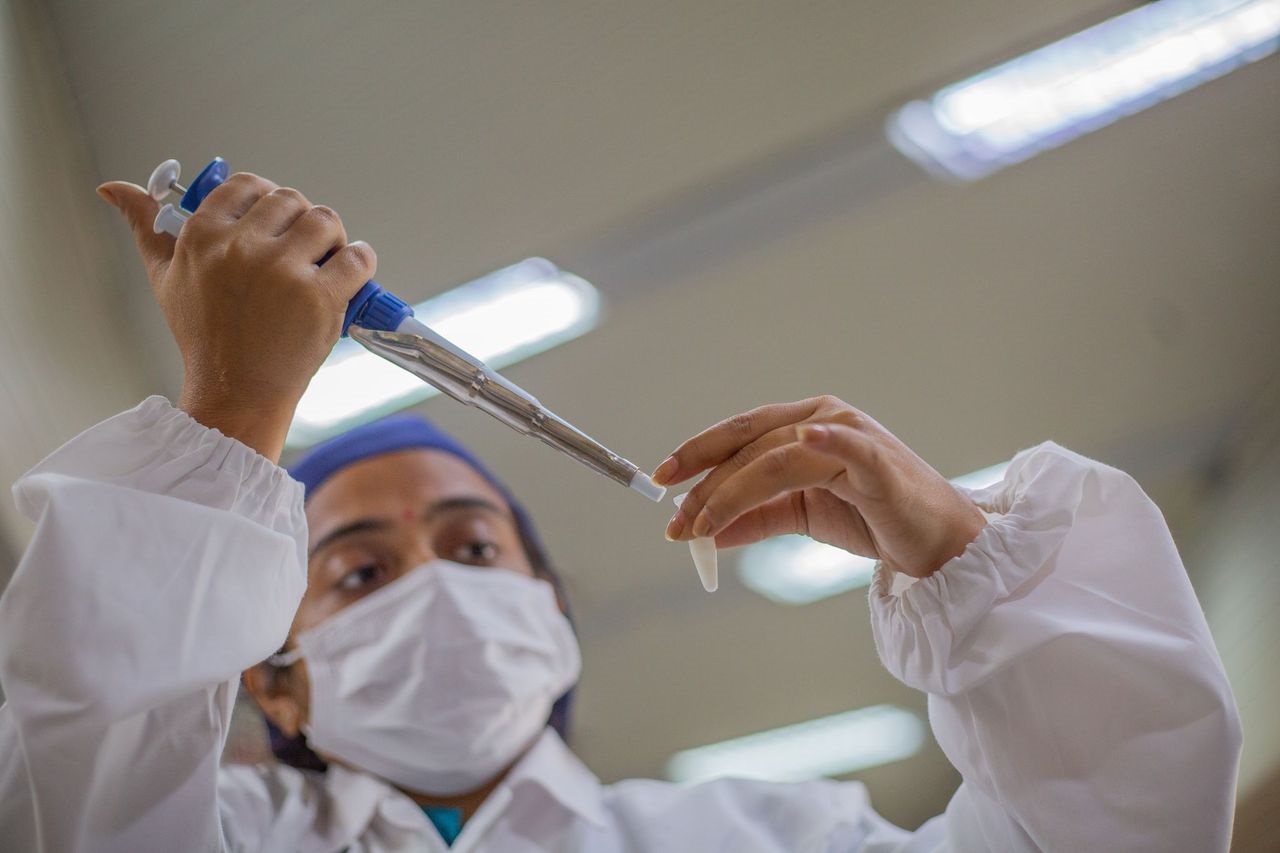
The safety assessments and evaluations performed by FAO/WHO expert committees and meetings are based on the best scientific information available, compiling inputs from many authoritative sources, and producing publications that are considered international works of reference.
The work of the Codex Alimentarius Commission (CAC), together with that of FAO and WHO in their supportive roles, has provided a focal point for food-related scientific research and investigation, and the Commission itself has become an important international medium for the exchange of scientific information about food.
The FAO/WHO Food Safety Scientific Advice Programme
The Joint FAO/WHO Expert Committee on Food Additives (JECFA) was established in 1956. The Committee evaluates the risks associated with food additives and residues of veterinary drugs, contaminants and natural toxins in food and feed. It provides advice to FAO, WHO and the member countries of both organizations.
The Joint FAO/WHO Meetings on Pesticide Residues, established in 1963, provide independent scientific expert advice to CAC and its specialist Codex Committee on Pesticide Residues (CCPR). FAO and WHO maintain separate websites highlighting the work of JMPR from the points of view of the two parent organizations.
The Joint FAO/WHO Expert Meetings on Nutrition (JEMNU) was established in 2010 to provide scientific advice to CAC and its subsidiary bodies and Member Countries on nutrition issues in an independent, timely and cost-effective manner. It provides an objective assessment of the quality of the evidence to the risk managers at CAC to set suitably health-protective and trade-inclusive global nutrition standards.
Key info
FAO and WHO provide scientific advice to Codex through four expert bodies–JECFA, JMPR, JEMRA, JEMNU–or ad hoc expert meetings on issues that fall outside the mandate of the expert bodies
Independent experts are selected to serve on the expert bodies for up to 5 years and in a personal capacity
Selection procedures ensure excellence, independence and transparency
Risk analysis is used in Codex to estimate the risk to human health and safety of a hazard or condition of a food, to identify and implement appropriate measures to control the risks and to communicate to all involved about the risks and measures applied.
Having standards that are science based makes them globally acceptable.
“Codex and science
From the very beginning, the Codex Alimentarius has been science-based. Experts and specialists in a wide range of disciplines have contributed to every aspect of the Codex Alimentarius to ensure that its standards and related texts withstand the most rigorous scientific scrutiny.