About Codex


The “Codex Alimentarius” means “food code”. It is the collection of science-based standards, guidelines and codes of practice developed to protect consumer health and facilitate fair practices in the food trade.

Codex texts help to ensure your food is safe and of good quality no matter where you are or where your food has come from.
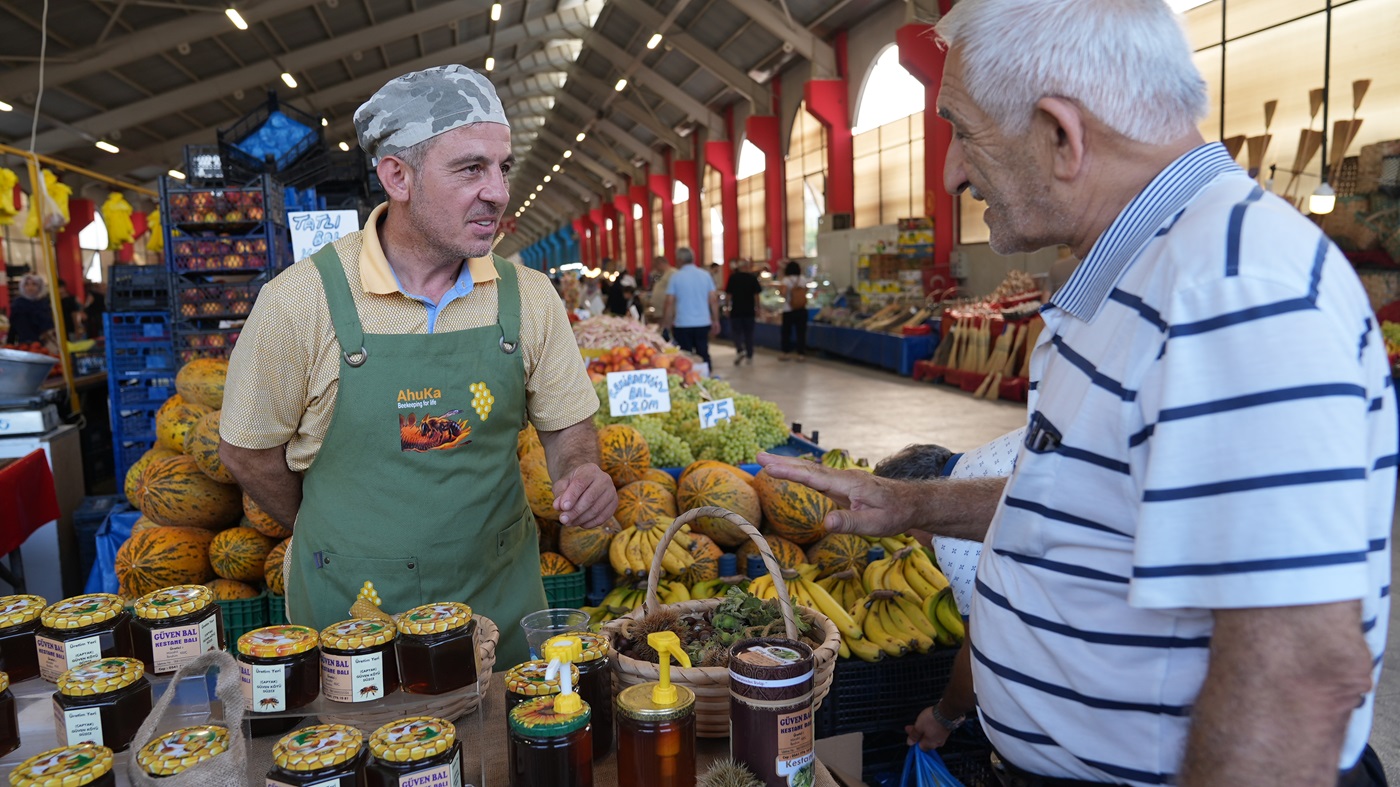
International food trade has existed for thousands of years but until not too long ago food was mainly produced, sold and consumed locally. Over the last century the amount of food traded internationally has grown exponentially, and a quantity and variety of food never before possible travels the globe today.
International food standards
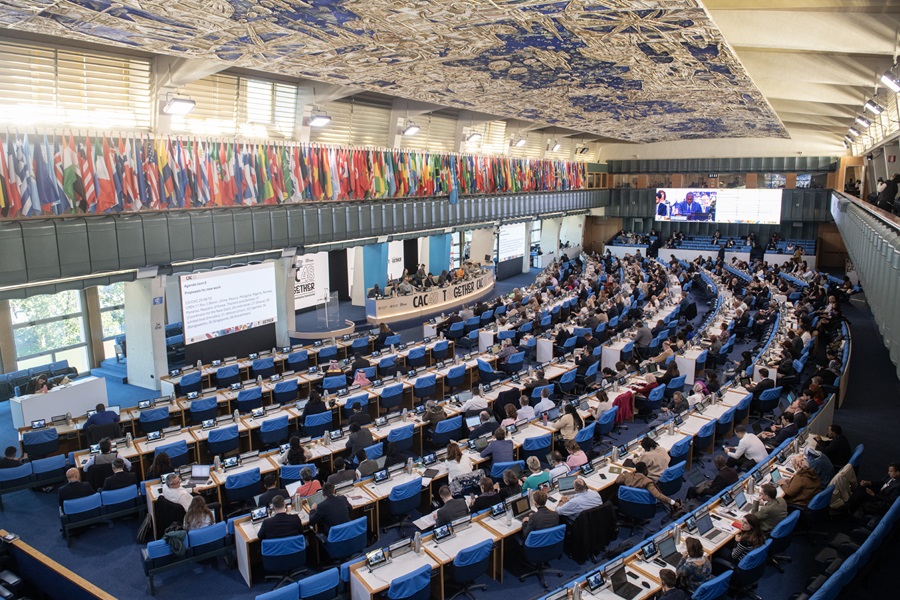
Codex texts are developed by the Codex Alimentarius Commission (CAC), an intergovernmental body established by the Food and Agriculture Organization of the United Nations (FAO) and the World Health Organization (WHO). CAC has 189 Members, of which 188 are Member Countries, and one is a Member Organization (the European Union).
CAC first met in 1963. It had been established “considering the rapidly growing importance of internationally accepted food standards as a means of protecting consumer and producer in all countries, whatever their stage of development, and of effectively reducing trade barriers.” The aim was for the new body to promote the coordination of food standards that until then were being developed by and for different organizations, associations and authorities in different parts of the world.

Today the Codex Alimentarius provides a comprehensive set of provisions in respect of food hygiene, food additives, residues of pesticides and veterinary drugs, contaminants, labelling and presentation, methods of analysis and sampling, and import and export inspection and certification. It also includes standards for major food commodities, for distribution to the consumer.

Protecting consumer health
Facilitating fair practices in the food trade
Codex texts are not mandatory unless they are adopted by or incorporated into national food legislation. In 1995, the World Trade Organization (WTO) was established and its Agreements on the Application of Sanitary and Phytosanitary Measures (SPS Agreement) and on Technical Barriers to Trade (TBT Agreement) came into force. These agreements encourage WTO Members to harmonize national regulations with international standards. Since the SPS Agreement specifically identifies Codex texts as the international benchmark for food safety, national regulations consistent with Codex standards are deemed to meet the requirement of the SPS Agreement.

Under the SPS Agreement, WTO Members are allowed to implement national standards that are more stringent than those of Codex. In doing so, however, WTO Members may be requested to provide scientific justification that such stringent sanitary measures are required to achieve their appropriate level of protection, as well as demonstrate that the measure taken is based on an assessment of risk. Codex standards, guidelines and other recommendations may also be used as a reference in case of a food trade dispute.

Related content
History

This interactive timeline will take you on a journey from the origins of Codex to the present day.

Read more History

Science

Codex standards are founded on sound scientific evidence. From the very beginning, 
the Codex Alimentarius has been a science-based activity.

Read more Science
banana-trade

Trade

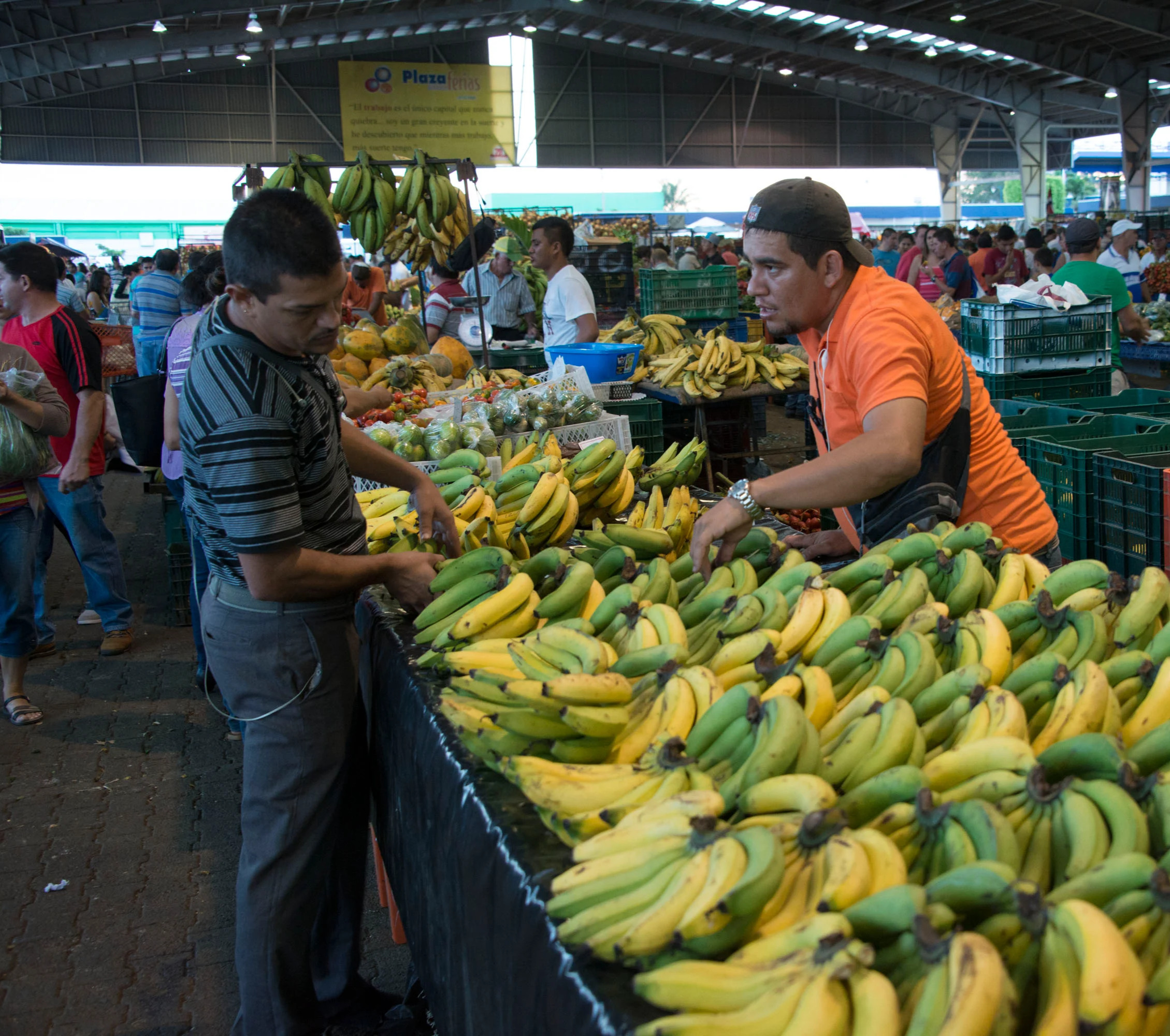
Codex standards are used as a benchmark in international trade agreements, ensuring that trade can flow globally but not at the cost of health risks to consumers.

Read more Trade

Consumers

In the 1940s, rapid progress was made in food science and technology. With the advent of more sensitive analytical tools, knowledge about the nature of food, its quality and associated health hazards also grew quickly.

Read more Consumers

General Principles of the Codex Alimentarius
Purpose of the Codex Alimentarius
The Codex Alimentarius is a collection of internationally adopted food standards and related texts presented in a uniform manner. These food standards and related texts aim at protecting consumers’ health and ensuring fair practices in the food trade.

The publication of the Codex Alimentarius is intended to guide and promote the elaboration and establishment of definitions and requirements for foods to assist in their harmonization, and in doing so to facilitate international trade.
Scope of the Codex Alimentarius
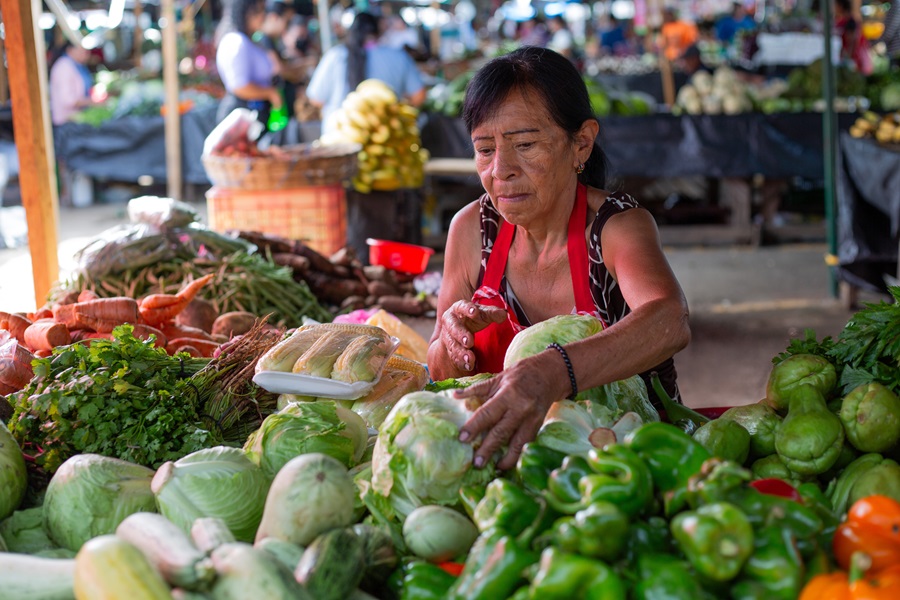
The Codex Alimentarius includes standards for all the principal foods, whether processed, semi-processed or raw, for distribution to the consumer. Materials for further processing into foods should be included to the extent necessary to achieve the purposes of the Codex Alimentarius Commission, as defined. 


The Codex Alimentarius includes provisions in respect of food hygiene, food additives, residues of pesticides and veterinary drugs, contaminants, labelling and presentation, methods of analysis and sampling, and import and export inspection and certification.
Nature of Codex texts
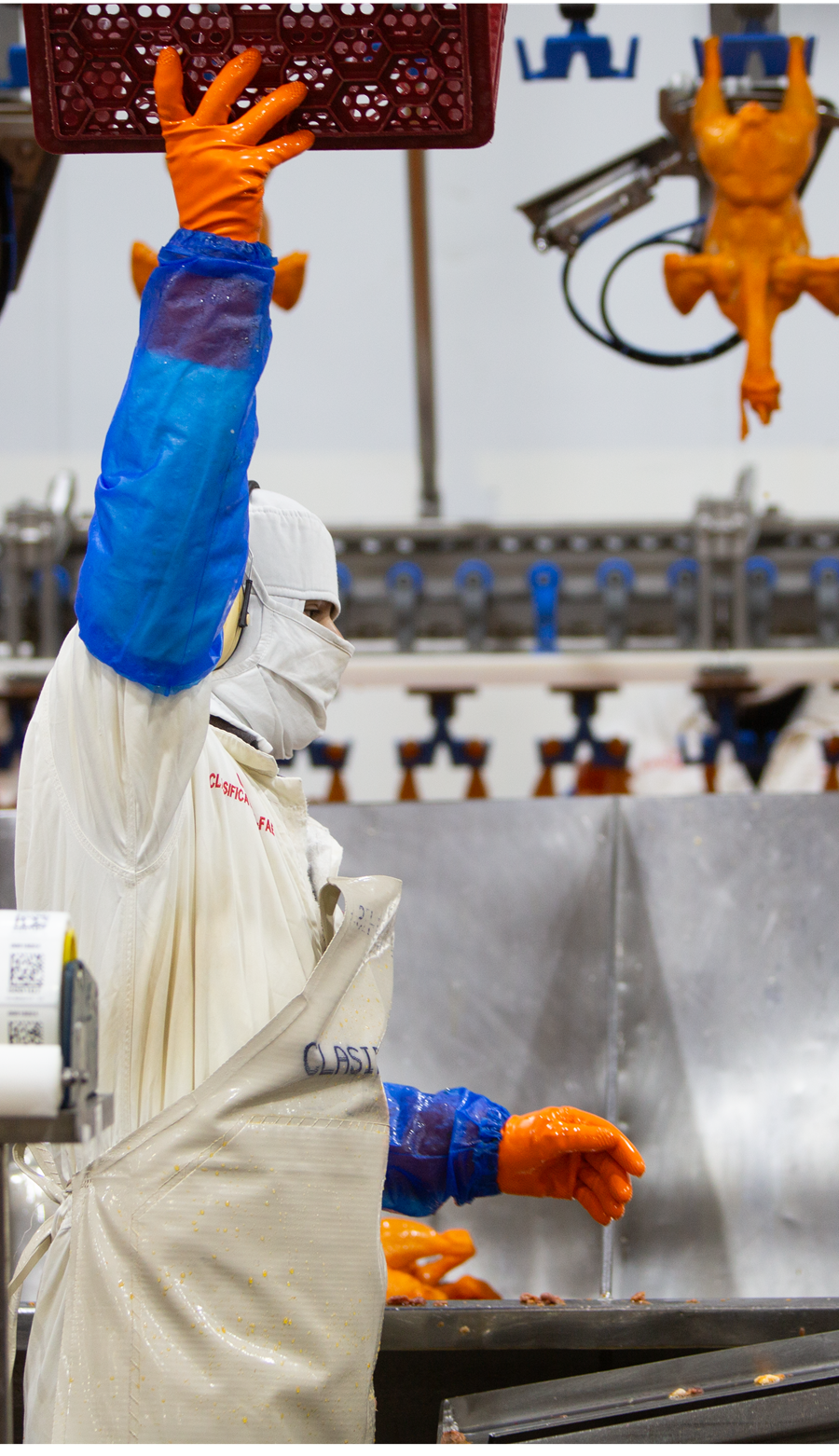
Codex standards and related texts are not a substitute for, or alternative to national legislation. Every country’s laws and administrative procedures contain provisions with which it is essential to comply.


Codex standards and related texts contain requirements for food aimed at ensuring for the consumer a safe, wholesome food product free from adulteration, correctly labelled and presented. A Codex standard for any food or foods should be drawn up in accordance with the Format for Codex Commodity Standards and contain, as appropriate, the sections listed therein.
Revision of Codex texts
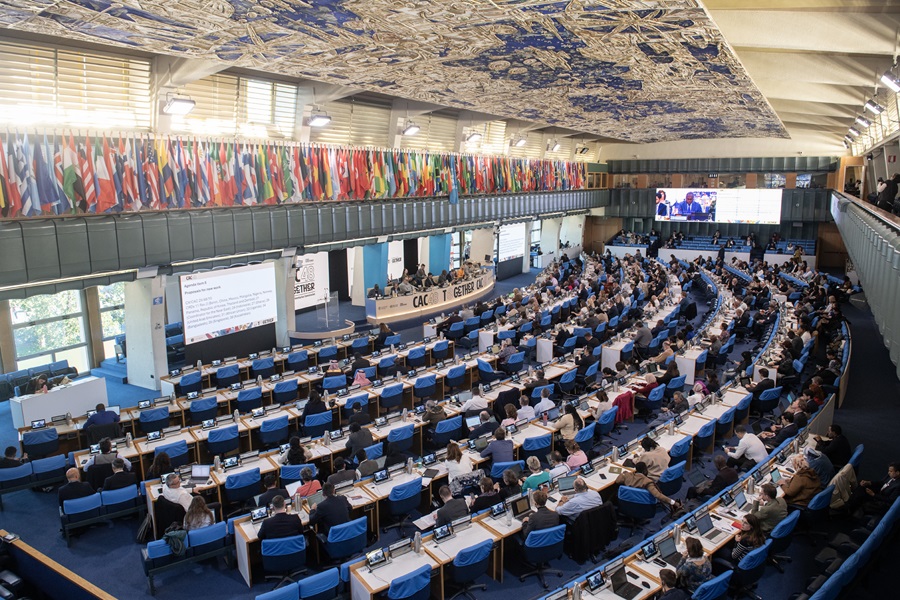
The Codex Alimentarius Commission and its subsidiary bodies are committed to revision as necessary of Codex standards and related texts, to ensure that they are consistent with and reflect current scientific knowledge and other relevant information.


When required, a standard or related text shall be revised or removed in accordance with the Procedures for the Elaboration of Codex Standards and Related Texts.
 Each Member of the Codex Alimentarius Commission is responsible for identifying, and presenting to the appropriate committee, any new scientific and other relevant information which may warrant revision of any existing Codex standards or related texts.

Publications

Codex and the 
food we eat

Food is a sensitive commodity, which has travelled around the world since ancient times.

We might not always know where it comes from, but we expect it to be available, safe and of good quality.