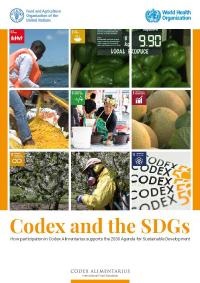
Codex and the Sustainable Development Goals
The Codex Alimentarius Commission Strategic Plan 2026–2031 recognizes that “Codex texts can provide an enabling environment which facilitates the uptake and implementation of policies and programmes to address global challenges around areas such as climate change, environment, sustainability, and trade.”
Specifically, the Codex Alimentarius Commission (CAC) supports countries' efforts to pursue at least six of the sustainable development goals (SDGs).
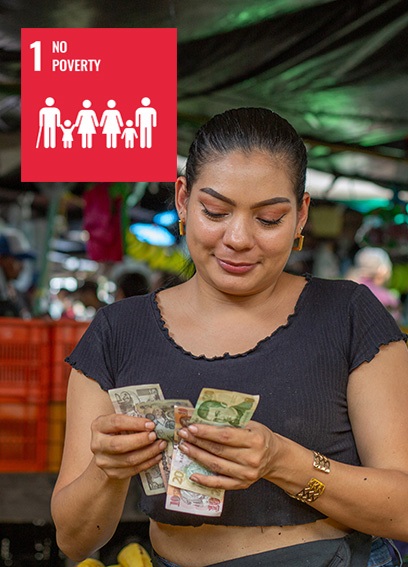
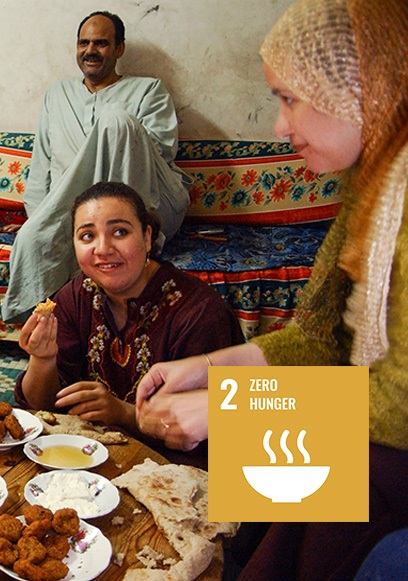
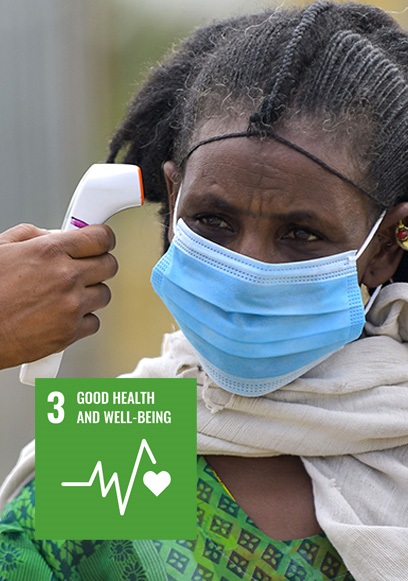
Strengthening food safety systems in line with Codex Alimentarius guidelines enables countries to take measures to reduce the burden of foodborne disease.
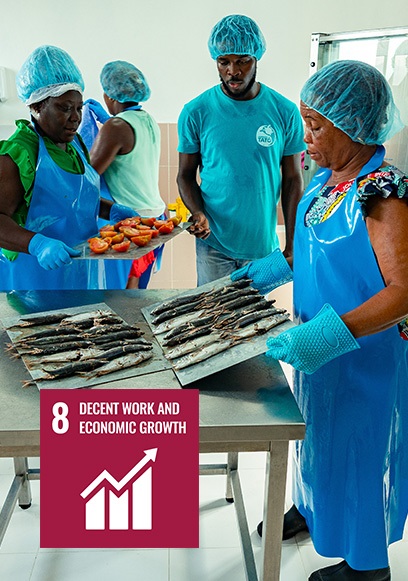
Trade is a vital opportunity for growth in this area, and Codex standards promote fair practices in food trade by eliminating trade restrictions.
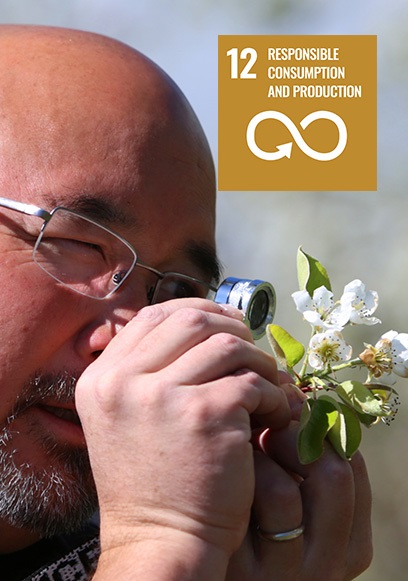
The goal also calls for sound management of chemicals. Chemicals in food are a worldwide health concern and are a leading cause of trade obstacles. The expert advice provided to Codex by FAO and WHO ensures that correct exposure levels are set in Codex standards to protect consumer health.
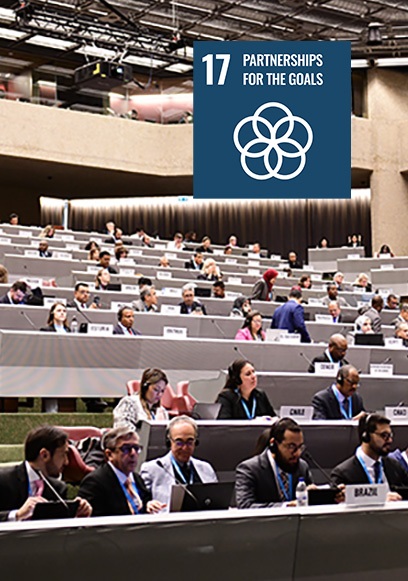
As an intergovernmental body founded by a United Nations partnership of FAO and WHO, and with 189 Members, itself a member of the Quadripartite, CAC is an exemplar of partnership. In addition, Codex has as a strategic goal to “Strengthen relationships with relevant international organizations, promoting a coordinated approach to address global challenges.”
As the Codex Alimentarius Commission Strategic Plan 2026–2031 steers CAC’s work to address global challenges and emerging issues, it is clear that there are many other areas in which the Codex Alimentarius provides support to countries in their efforts to achieve the goals set out by the sustainable development agenda. In particular, recent additions to the Codex Alimentarius support work to manage food safety risks linked to climate change (SDG 13) and food safety hazards related to life under water (SDG 14). Other examples can be found from the range of Codex texts.
The 2030 agenda
17 SDGs, 169 targets and 230 indicators form the global objectives expected to guide the actions of the international community between 2016 and 2030.
Key messages
The Codex coordinators present key SDG messages for Codex


Publications