


International symposium recognizes central role of Codex in food safety and food control systems
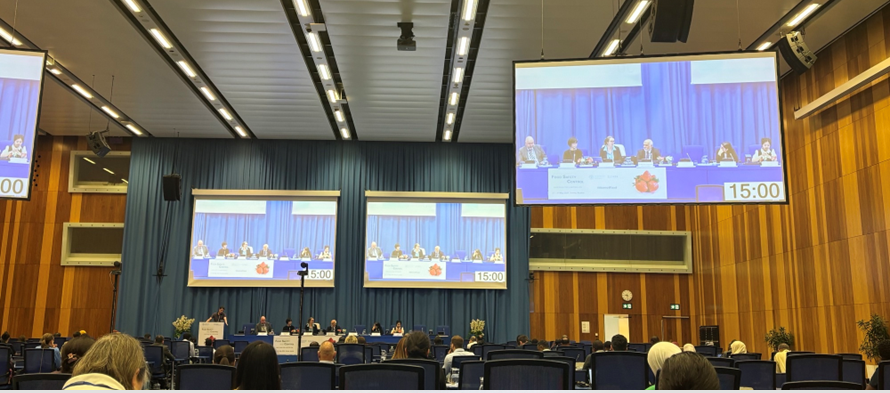
The International Symposium on Food Safety and Control, which concluded yesterday, 31 May, in Vienna, Austria, provided a forum for information sharing on cutting edge research and developments in the application of nuclear technologies for food safety and control. The event also offered networking opportunities between the public and private sectors and the chance to define future research needs and directions.
The symposium included seven sessions, which addressed several topics, from chemical residues and contaminants in food and feed, to One Health and the impacts of climate change on food safety.
Codex was also at the centre of the discussions of the five-day symposium. Steve Wearne, Chairperson of the Codex Alimentarius Commission (CAC) addressed the plenary in the session Standard setting, regulations, metrology, risk assessment, which was chaired by Sarah Cahill, Senior Food Standards Officer, Codex Secretariat. In his presentation, Wearne recalled the role of all participants in setting and implementing international food safety standards and guidelines, highlighting the importance of international food safety and quality standards, and the need to work together “as we are all part of the agrifood system”. The session put a spotlight on some of the data generation efforts ongoing around the world to support standard setting, including maximum residue limits (MRLs) for antimicrobials which are of particular importance to low- and middle-income countries (LMICs).
Other speakers in the session presented data on mycotoxins, including emerging mycotoxins, with several presentations focusing on the importance of looking at co-exposure to mycotoxins. Research and monitoring efforts on other hazards including radionuclides, Polycyclic Aromatic Hydrocarbons (PAH), cyanotoxins and pesticide residues were also discussed as well as risk assessment approaches using available data.
The challenges for those working on the operational frontline of ensuring food is safe were also presented, such as finding a balance between reducing pesticide residues while also preventing the growth of mycotoxin producers on food crops. The session also provided insight into the full lifecycle of a food standard, from issue identification to data generation and risk assessment through to standard setting, implementation and monitoring to analyze effectiveness - and the use of that data to adjust standards or regulations.
Read more
The International Symposium on Food Safety and Control
In the news - Nuclear techniques can play a crucial role in setting science-based global food standards
© Photo credits FAO / Codex
Related content
Germany to host the International Training for Safer Food 2026
For the 7th time, the German Federal Office of Consumer Protection and Food Safety (BVL), will host the International Training for Safer Food (ITS Food). ITS Food is a training series on food safety risk...
Cambodia ups its Codex game
As an initial and strategic step to reinforce the national Codex programme in Cambodia — especially following the restructuring of competent authorities responsible for Codex — a High-Level Advocacy Meeting...
Experts meeting assess progress in evaluating chemical contaminants in animal feed
The International Workshop on Feed Risk Assessment – Chemical Safety took place on 10–11 March 2025 in Utrecht, the Netherlands. It was co-organized by the National Institute for Public Health and...
Virtual Training for the Implementation of HACCP in Fisheries and Aquaculture in Spanish-2
A deep understanding of the hazards associated with fishery and aquaculture products is essential for the effective implementation of a HACCP system. This knowledge helps reduce reliance on traditional...
Virtual Training for the Implementation of HACCP in Fisheries and Aquaculture in Spanish
A deep understanding of the hazards associated with fishery and aquaculture products is essential for the effective implementation of a HACCP system. This knowledge helps reduce reliance on traditional...
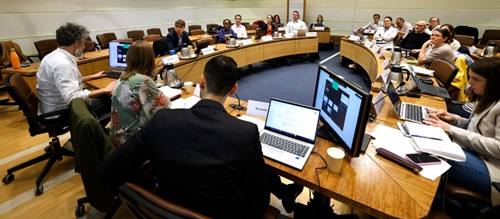
FAO publishes Food Safety Foresight Framework Meeting summary report
The Food and Agriculture Organization of the United Nations (FAO) has published the summary report of the Food Safety Foresight Framework Meeting, which took place from 1–3 April 2025 at FAO headquarters...
FAO publishes report on emerging food innovations
New food sources and production systems (NFPS) are emerging worldwide, in response to changing agrifood systems, potentially altering the food landscape in the next 5 to 25 years. The Food and Agriculture...
Launch event / JECFA Toolbox for Veterinary Drug Residues Risk Assessment
The Food and Agriculture Organization of the United Nations (FAO) has launched a comprehensive and practical toolbox designed to help those assessing the risks of veterinary drug residues in food. The...
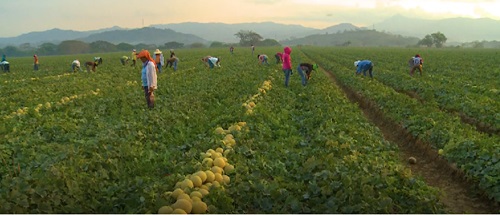
“Codex and a Honduran emergency” – New Codex video out now
With the growth in the international trade in food comes the need to be able to prevent, detect and manage foodborne diseases across borders. Foodborne diseases can occur even when there are robust food...