


Ad hoc Codex Intergovernmental Task Force on Antimicrobial Resistance (TFAMR)
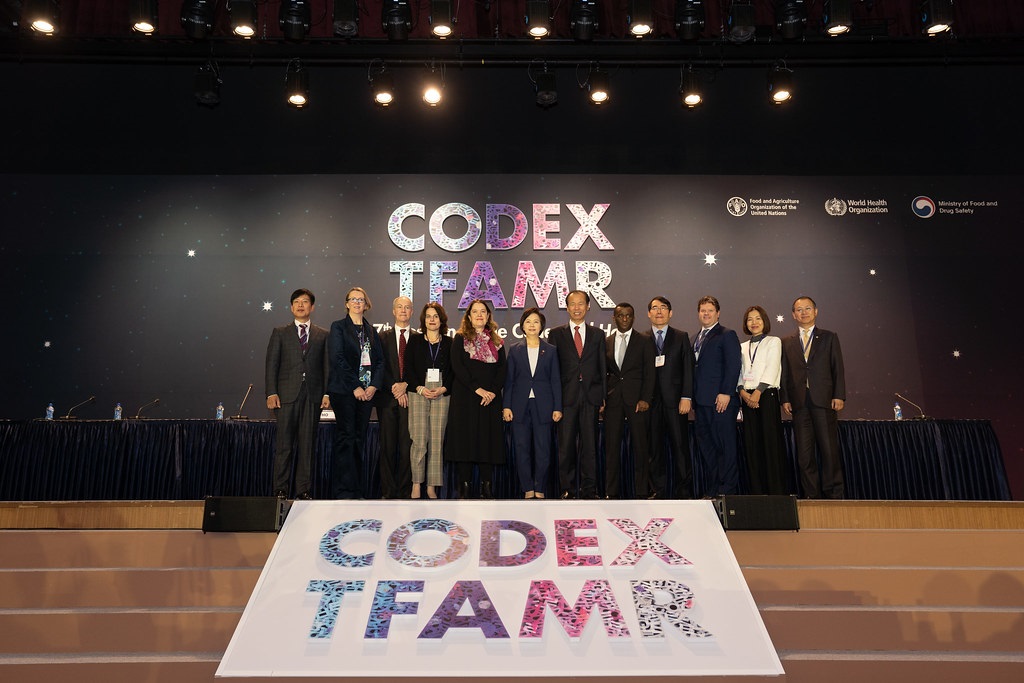
Ad hoc Codex Intergovernmental Task Force on Antimicrobial Resistance
The first Codex Ad Hoc Task Force on Antimicrobial Resistance (TFAMR) was established in 2006. This was not the first time that Codex had worked on AMR, with the Codex Committee on Residues of Veterinary Drugs in Food (CCRVDF) having already elaborated the Code of practice to minimize and contain antimicrobial resistance (CXC 61-2005) and two joint FAO/OIE/WHO Expert Workshops on AMR having been convened in 2003 and 2004, at the request of the Codex Alimentarius Commission (CAC). It reflected a view that further work on antimicrobial resistance should be undertaken in a holistic manner.
The first TFAMR, chaired by the Republic of Korea, worked for four sessions, and was dissolved in 2011, having successfully developed the Guidelines for risk analysis of foodborne antimicrobial resistance (CXG 77-2011).
In 2016, following the adoption of the Global Action plan on AMR, which specifically requested a review of Codex AMR texts, CAC again considered the issue of AMR, recognizing it as a ‘global emergency.’ A new Ad Hoc Intergovernmental Task Force was established, to address gaps in CXC 61-2005 that had resulted from developments since it was adopted, and also to address a gap in international guidance on monitoring and surveillance of foodborne AMR. In 2021, TFAMR concluded its work of updating the code of practice, having additionally developed the Guidelines on integrated monitoring and surveillance of foodborne antimicrobial resistance (CXG 94-2021).