


CCLAC23/ Coordinating Committee for Latin America and the Caribbean to address “vital agenda”
.jpg?sfvrsn=4619b57a_0)
The 23rd session of the Coordinating Committee for Latin America and the Caribbean (CCLAC) has opened in a virtual session hosted by the Regional Coordinator, Ecuador.
Opening remarks were offered by guests Patricio Almeida, executive director of Ecuador’s Phyto and Zoosanitary Regulation and Control Agency (Agrocalidad), Gherda Barreto, FAO representative in Ecuador and Sonia Quezada, the Pan American Health Organization (PAHO) representative in Ecuador. Almeida highlighted the importance Ecuador attaches to its role as Regional Coordinator, listing the ways in which Codex is important to the countries of the region, to the international community and to consumers. Barreto thanked Ecuador as host, the agencies in attendance and those attending the meeting for their “commitment to food safety and quality in the region”. “CCLAC is a platform that is crucial for promoting food safety in our region,” said Quezada “and CCLAC23 is a reflection of the work and collaboration of Member Countries to improve food safety and nutrition.”
Alvaro Esteban del Hierro Paredes, Deputy Minister for Productive Agricultural Development welcomed delegates and dignitaries and applauded the efforts made by delegates to attend the meeting “to address a vital agenda for the region and the world.” He reminded attendees of Ecuador’s leadership role in and scientific contribution to the development of maximum levels for cadmium in cocoa and encouraged CCLAC Members “to strengthen their analytical capacity, generate scientific information, and make it available to global databases.” He also invited CCLAC Member Countries “to create synergies in our work to strengthen national food safety systems.”
The opening session of the meeting heard from Professor Luis Ramos Guerrero University of the Americas (UDLA) UDLA, Quito-Ecuador, who gave a keynote speech on the subject of “Prevention and reduction of contamination in food.” While cadmium in cocoa is one example of a regionally important contaminant, the subject generally is an important one in the CCLAC region. In this context, Guerrero said: “Food production must remain under constant observation and implementation of actions to ensure the provision of healthy and safe food to consumers.” He proposed three axes “to achieve this challenging but indispensable objective.” These were: the prevention of food contamination; the reduction of contamination; and the coordination and synergy of food chain actors.
Contaminants are also the subject of the Codex “use and impact” case study carried out in Brazil this year, which will be discussed at CCLAC23 later this week. The case study examines how authorities in Brazil have used Codex texts to guide their successes in reducing fumonisins in maize.
Two side events are planned, one on food fraud management and one on the implementation of the Codex Trust Fund (CTF) in the region.
Read more
Photo © FAO/Giuseppe Di Chiera
Related content
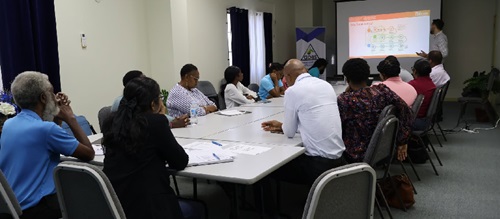
Strengthening Grenada's voice in global food standards
by the Codex Contact Point of Grenada On 5 June 2026, the Grenada Bureau of Standards hosted a training session for members of the National Codex Committee and the GDBS team, facilitated by Giuseppe...
.tmb-thb5x4.jpeg?Culture=en&sfvrsn=4561bf2b_1)
ACT / Colombia and the Plurinational State of Bolivia strengthen antimicrobial resistance surveillance
Colombia and the Plurinational State of Bolivia are stepping up efforts to tackle antimicrobial resistance (AMR), one of the world’s most pressing health threats, by strengthening laboratory surveillance...
.tmb-thb5x4.jpeg?Culture=en&sfvrsn=d6cd33d9_1)
ACT / Surveys in Latin America provide key recommendations for increased awareness about foodborne AMR
One of the aims of the Action to support implementation of Codex AMR texts (ACT) project is to raise awareness among stakeholders along the food production chain, about the need for responsible and prudent...
.tmb-thb5x4.jpeg?Culture=en&sfvrsn=8634eb_1)
ACT / Bolivian authorities forge ahead with the introduction of e-prescriptions for veterinary antimicrobials
Great progress was made in the fight against antimicrobial resistance (AMR) in the Plurinational State of Bolivia at the end of January, when officials and professionals met to agree on next steps for...
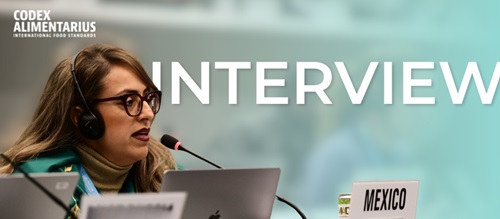
Fresh perspectives: an interview with the new Chairperson of CCFFV23
Members and Observers from over 30 countries will meet in Mexico City, Mexico, from 25 February to 1 March 2025 to develop standards at the 23rd session of the Codex Committee on Fresh Fruits and Vegetables...
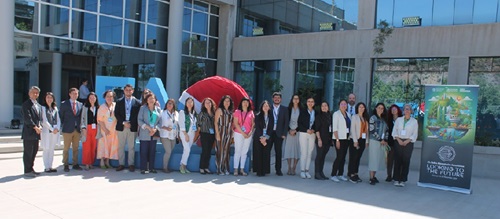
Simulation of a Codex meeting: the value of practical experience
by the Codex Contact Point of Chile A simulation of a session of the Codex Committee on Cocoa Products and Chocolate (CCCPC) was held on 12 December 2024 at the FAO Regional Office for Latin America and...
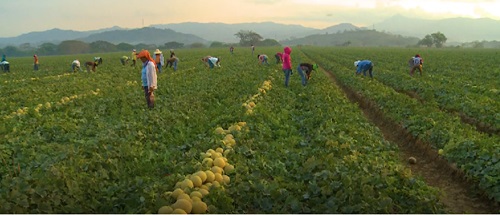
“Codex and a Honduran emergency” – New Codex video out now
With the growth in the international trade in food comes the need to be able to prevent, detect and manage foodborne diseases across borders. Foodborne diseases can occur even when there are robust food...
Jamaica expert recounts the benefits of participating in Codex standards setting
When implemented, Codex standards facilitate fair practices in the food trade and protect consumer health. It is therefore expedient for countries to be able to participate in the standards setting processes....
WAAW/ Meet the coordinator of the ACT project in Latin America and the Caribbean region
María de los Angeles Gatica is the regional coordinator for the Action to support implementation of Codex AMR texts (ACT) project, which helps countries contain foodborne antimicrobial resistance (AMR)....