


Jamaica expert recounts the benefits of participating in Codex standards setting
When implemented, Codex standards facilitate fair practices in the food trade and protect consumer health. It is therefore expedient for countries to be able to participate in the standards setting processes. However, for a range of reasons, not all countries can or do participate in Codex work.
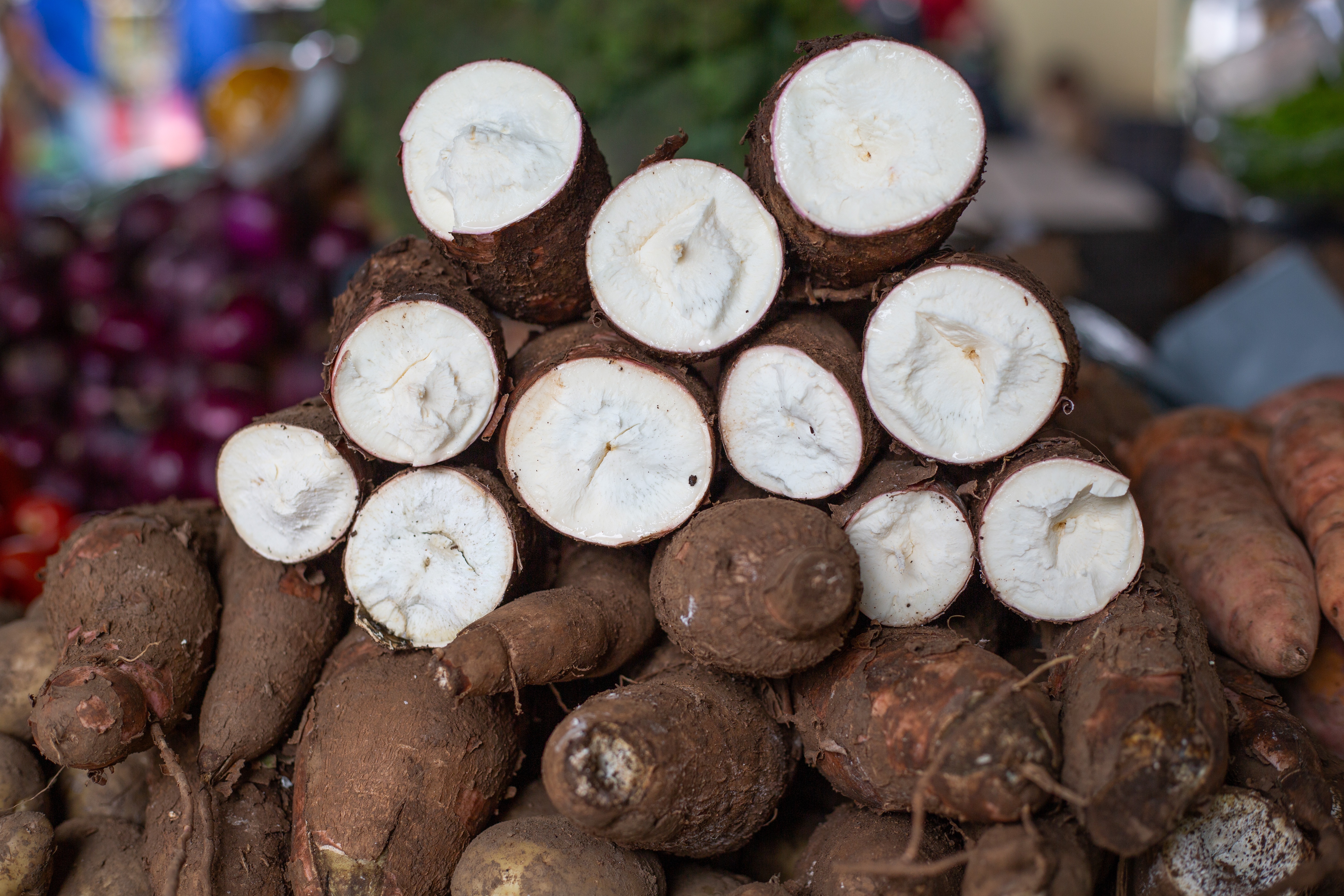
In this interview, Alfred Barrett, Plant Quarantine Officer in the Ministry of Agriculture and Fisheries in Jamaica, explains how participating in the Codex procedure for setting the Standard for Yam meant the text is fit for use by Jamaica – and that Jamaica can then be sure their yam exports are up to international standards.
Diego Varela: Good afternoon Mr Barrett, you shared a great story during the Conference of the Caribbean Task Force on Food Safety[1] about how Jamaica has found value by participating in Codex standards. Could you tell us about that?
Alfred Barrett: All right, so it’s my pleasure to do so. There was a draft in a Codex standard, and this standard covers a particular crop that we grow in Jamaica. The standard covers yam -Dioscorea. The major provision in the drafting of the standard was that for you to export yams as extra class, the yam had to be intact, which means that there shouldn’t be any cut surfaces on the yam. It also required a certain level of wholeness in the yam, meaning it shouldn’t have any defects. Additionally, the draft standard included provisions about the kind of material that could be used for packaging, etc.
Diego Varela: Why was this standard particularly important to Jamaica?
Alfred Barrett: This standard became very important to Jamaica because at the time, yam was one of our chief exports, and it still is. This particular standard was going to affect us significantly. So, we got our stakeholders together, discussed the matter, saw where the impacts were going to come from. Based on this, we drafted our country’s position, and then went to the plenary session held in Mexico to deal with the issue as best as we could.
Diego Varela: What were the specific concerns for Jamaica regarding this standard?
Alfred Barrett:Our farmers traditionally reproduce yams using what we call the head of the yam. Every time they harvest the field, they cut off about two inches of the head, and this becomes the planting material for the next year. The farmers also get larger yams from this type of production. This production system suits them very well because most of the yams in Jamaica are grown on the hilly interior. The mini-set technology, which requires more land space, would not work for them.
Thus, the standard’s requirement for yams to be intact would have been detrimental to our ability to export these yams in the extra class.
Diego Varela: How did you address these concerns at the meeting?
Alfred Barrett: We went to the meeting with the Jamaica’s position that the definition of extra class requiring yams to be intact was not going to be beneficial to Jamaica. We found support from other countries after explaining our position. The standard was then revised to state that extra class meant the yam could be whole or have a transverse cut surface, provided the cut surface was sufficiently healed. This was not a problem for us because the yam would heal in a day or two, and we also have post-harvest treatments accepted across our trading blocks.
Diego Varela: What was the outcome of the meeting for Jamaica?
Alfred Barrett: At the end of the meeting, Jamaica came out successful. We were able to stay in the market, exporting our yams as extra class while using the packaging material from the coconut industry. Although we didn’t get everything we wanted, such as a higher limit on defects, the consensus we reached was more beneficial overall. Codex is about consensus and we understood that “you win some battles and you lose some” – most important for us is that Jamaica continued to participate in the trade effectively.
Diego Varela: What is the key takeaway from this experience?
Alfred Barrett: The moral of this story is the importance of engaging in Codex activities, especially for small highland states. Even if you are small, you need to ensure your Codex Contact Points send you the documents early so you can share them with your stakeholders and formulate a plan of action. Codex works for both large and small states, but you need to intervene early to get the maximum benefit. When you go to the meetings, hold your position firmly if it is critical for your stakeholders to participate in the trade. Thank you.
Read more
Standard for Yam (CXS 340-2020)
Codex Committee on Fresh Fruits and Vegetables (CCFFV) webpage
CCFFV21 Report
[1] September 10-12, 2024 Paramaribo, Suriname co-organized by CAHFSA and FAO with funding from the EU
Related content
Strengthening Grenada's voice in global food standards
by the Codex Contact Point of Grenada On 5 June 2026, the Grenada Bureau of Standards hosted a training session for members of the National Codex Committee and the GDBS team, facilitated by Giuseppe...
.tmb-thb5x4.jpeg?Culture=en&sfvrsn=4561bf2b_1)
ACT / Colombia and the Plurinational State of Bolivia strengthen antimicrobial resistance surveillance
Colombia and the Plurinational State of Bolivia are stepping up efforts to tackle antimicrobial resistance (AMR), one of the world’s most pressing health threats, by strengthening laboratory surveillance...
.tmb-thb5x4.jpeg?Culture=en&sfvrsn=d6cd33d9_1)
ACT / Surveys in Latin America provide key recommendations for increased awareness about foodborne AMR
One of the aims of the Action to support implementation of Codex AMR texts (ACT) project is to raise awareness among stakeholders along the food production chain, about the need for responsible and prudent...
.tmb-thb5x4.jpeg?Culture=en&sfvrsn=8634eb_1)
ACT / Bolivian authorities forge ahead with the introduction of e-prescriptions for veterinary antimicrobials
Great progress was made in the fight against antimicrobial resistance (AMR) in the Plurinational State of Bolivia at the end of January, when officials and professionals met to agree on next steps for...
Fresh perspectives: an interview with the new Chairperson of CCFFV23
Members and Observers from over 30 countries will meet in Mexico City, Mexico, from 25 February to 1 March 2025 to develop standards at the 23rd session of the Codex Committee on Fresh Fruits and Vegetables...
Simulation of a Codex meeting: the value of practical experience
by the Codex Contact Point of Chile A simulation of a session of the Codex Committee on Cocoa Products and Chocolate (CCCPC) was held on 12 December 2024 at the FAO Regional Office for Latin America and...
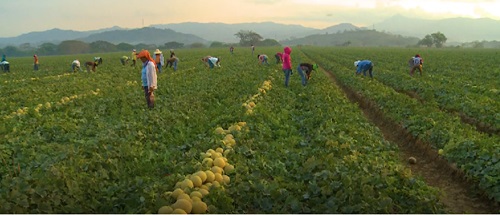
“Codex and a Honduran emergency” – New Codex video out now
With the growth in the international trade in food comes the need to be able to prevent, detect and manage foodborne diseases across borders. Foodborne diseases can occur even when there are robust food...
WAAW/ Meet the coordinator of the ACT project in Latin America and the Caribbean region
María de los Angeles Gatica is the regional coordinator for the Action to support implementation of Codex AMR texts (ACT) project, which helps countries contain foodborne antimicrobial resistance (AMR)....
WAAW/ ACT project is helping the Plurinational State of Bolivia tackle the threat of foodborne AMR
The FAO-implemented and Republic of Korea-funded Action to support implementation of Codex AMR texts (ACT) project is being carried out in six countries, of which one is the Plurinational State of Bolivia....