


Webinar in CCLAC discusses uncertainty of analytical measurement in Codex
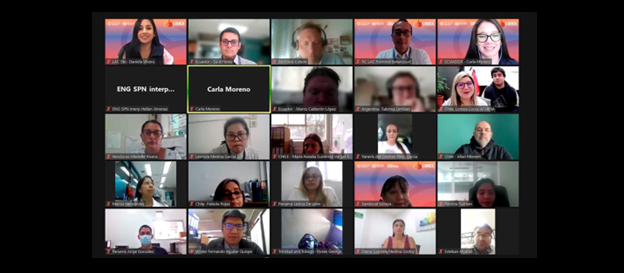
On 12 and 13 September, the Regional Coordinator of CCLAC organized a virtual seminar titled "Measurement Uncertainty in the Codex Alimentarius". The seminar created a space for technical exchange among those working in metrology institutes and in laboratories involved in health, agriculture or the environment in the Latin American and Caribbean region.
The event sought to promote an understanding of the concept of measurement uncertainty and its importance in analytical results, the most common sources of uncertainty in the laboratory, and how to minimize their impact on analysis. Over the two days, more than 600 attendees were familiarized with methods of uncertainty calculation and its practical application.
The seminar provided a detailed review of the Codex document Guidance on Uncertainty in Measurement (CXG 54-2004), presenting an introduction to the document, its context in the field of measurement and its fundamental contents, including definitions, principles, and procedures for evaluating uncertainty. This helped the attendees understand the requirements and recommendations of the document in order to properly implement the guidelines in their daily laboratory work.
Learn more
Related content
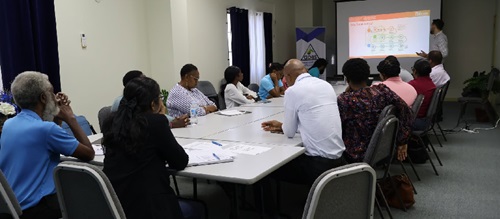
Strengthening Grenada's voice in global food standards
by the Codex Contact Point of Grenada On 5 June 2026, the Grenada Bureau of Standards hosted a training session for members of the National Codex Committee and the GDBS team, facilitated by Giuseppe...
.tmb-thb5x4.jpeg?Culture=en&sfvrsn=4561bf2b_1)
ACT / Colombia and the Plurinational State of Bolivia strengthen antimicrobial resistance surveillance
Colombia and the Plurinational State of Bolivia are stepping up efforts to tackle antimicrobial resistance (AMR), one of the world’s most pressing health threats, by strengthening laboratory surveillance...
New website simplifies analytical methods for special dietary foods
A new "Test Methods for Special Dietary Foods" website has been launched by the International Special Dietary Foods Industries (ISDI), supported by AOAC International and the International Dairy Federation....
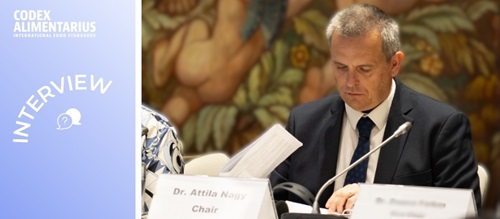
CCMAS44 / A virtual opportunity to strengthen international food standards
The 44th session of the Codex Committee on Methods of Analysis and Sampling (CCMAS44) will be held in a virtual format from 5 to 8 May, with report adoption on 14 May. While time zone differences remain...
.tmb-thb5x4.jpeg?Culture=en&sfvrsn=d6cd33d9_1)
ACT / Surveys in Latin America provide key recommendations for increased awareness about foodborne AMR
One of the aims of the Action to support implementation of Codex AMR texts (ACT) project is to raise awareness among stakeholders along the food production chain, about the need for responsible and prudent...
.tmb-thb5x4.jpeg?Culture=en&sfvrsn=8634eb_1)
ACT / Bolivian authorities forge ahead with the introduction of e-prescriptions for veterinary antimicrobials
Great progress was made in the fight against antimicrobial resistance (AMR) in the Plurinational State of Bolivia at the end of January, when officials and professionals met to agree on next steps for...
Fresh perspectives: an interview with the new Chairperson of CCFFV23
Members and Observers from over 30 countries will meet in Mexico City, Mexico, from 25 February to 1 March 2025 to develop standards at the 23rd session of the Codex Committee on Fresh Fruits and Vegetables...
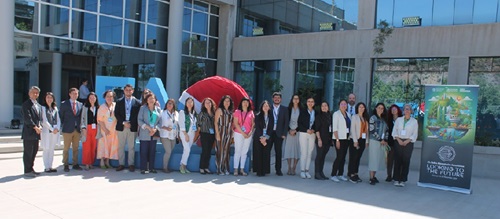
Simulation of a Codex meeting: the value of practical experience
by the Codex Contact Point of Chile A simulation of a session of the Codex Committee on Cocoa Products and Chocolate (CCCPC) was held on 12 December 2024 at the FAO Regional Office for Latin America and...
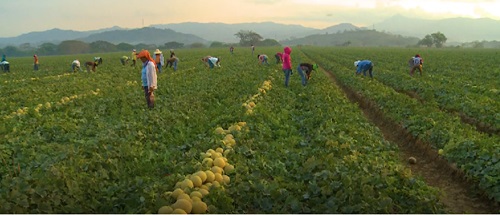
“Codex and a Honduran emergency” – New Codex video out now
With the growth in the international trade in food comes the need to be able to prevent, detect and manage foodborne diseases across borders. Foodborne diseases can occur even when there are robust food...